
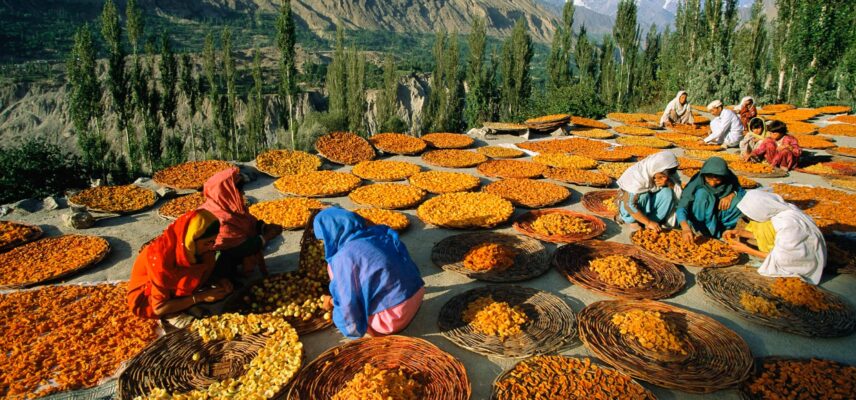

In recent years the travel narrative in Pakistan is shifting: no longer only about high mountains or heritage forts, many visitors are seeking immersive stays in working farms and orchards. Imagine staying in a walnut grove in Gilgit, helping to harvest fruit in the morning and sharing a home-cooked meal with local farmers in the evening. These slower-paced experiences stand in contrast to the “sight-see five places in one day” model and appeal especially to travellers who want depth, connection and authenticity. With the rise of weekend getaways and short domestic breaks, agro-tourism offers an accessible bridge into rural Pakistan.

Up in the northern valleys of Pakistan — where landscapes have long drawn trekkers — a new agricultural tourism thread is emerging. Terraced “micro-farms” near villages in Hunza Valley or Gilgit are welcoming visitors to learn about apricot drying, honey production or stone-fruit orchards planted at altitude. These experiences carry a fresh appeal: you breathe mountain air, witness traditional cultivation methods, and bring home story-rich food souvenirs (not just mass-market trinkets). The rise of such niche travel aligns with Pakistan’s broader push for sustainable, community-rooted tourism.

One of the strongest pulls in agro-tourism is its empowerment of local hosts. Instead of large hotels on the edge of a valley, travelers stay with families in village homes, share meals cooked from the harvest and maybe join in planting or processing. This kind of tourism keeps the economic benefit closer to the community, helps preserve tradition and builds resilience against urban drift. In Pakistan, research shows that tourism’s environmental and social footprint requires careful planning — integrating such community-based stays is part of that smarter design.

To truly experience agro-tourism in Pakistan, travelers should plan with intention. Choose smaller, locally operated tours that prioritize community well-being and environmental care. Visit Balochistan in spring to walk through olive plantations in bloom, or travel to Punjab’s countryside in April to join the wheat harvest — an unforgettable celebration of rural pride and perseverance. Travelers can also explore Sindh’s date farms or Khyber Pakhtunkhwa’s saffron fields, each offering its own rhythm and story. Respecting seasonal cycles ensures that your visit aligns naturally with local life. This thoughtful approach not only enriches your journey but also helps sustain the delicate balance between tourism and tradition.

Agro-tourism offers travelers a refreshing way to experience Pakistan — one rooted in authenticity, sustainability, and human connection. Beyond sightseeing, it invites you to live a day in a farmer’s shoes: pick apricots beneath snow-capped peaks, grind wheat beside an ancestral mill, or share laughter around a village hearth. These experiences reveal Pakistan’s quieter beauty — the rhythm of rural life untouched by rush or noise. Yet, growth comes with responsibility. Travelers must tread lightly, respecting the communities and environments that make these journeys possible. Infrastructure in remote regions is still developing, and balancing visitor access with preservation remains vital. By choosing tours that value local culture, fair wages, and environmental care, visitors help ensure that this emerging form of tourism grows responsibly. For those eager to explore Pakistan beyond the usual trails, Adventure Tours Pakistan now offers curated agro-tourism experiences — journeys where every field, orchard, and meal tells a story worth remembering.