
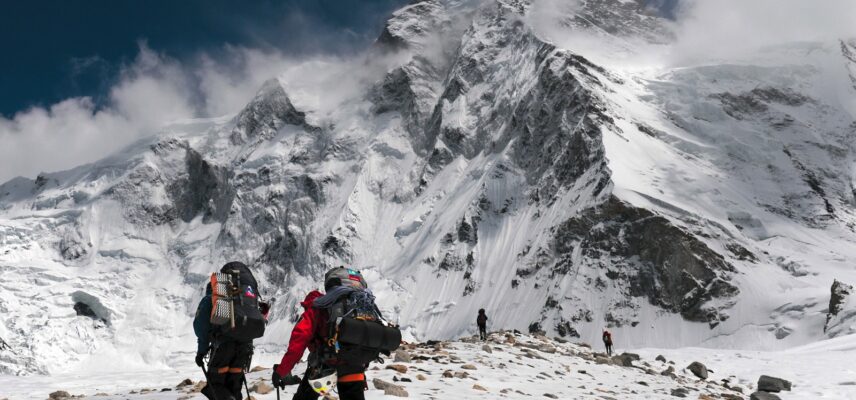
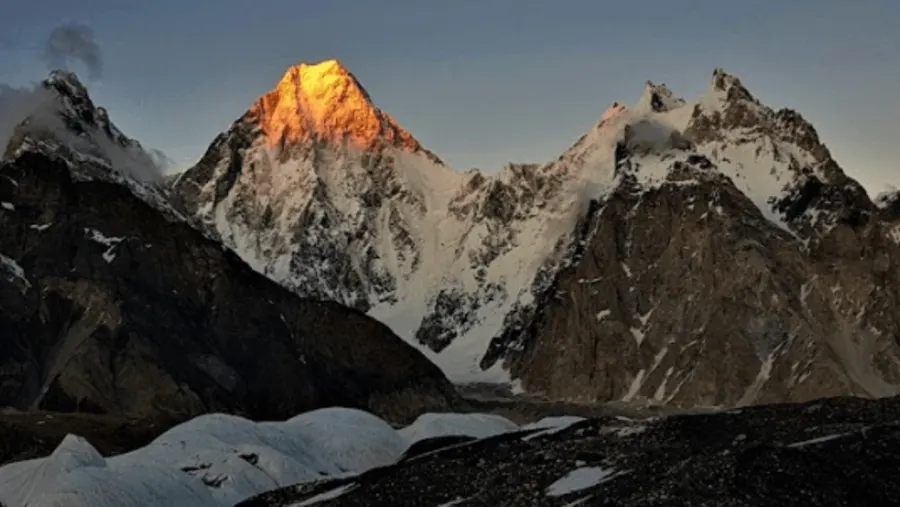
K2, the world’s second-highest mountain, holds a legendary and formidable place in our collective imagination. Rising in steep, technical lines to 8,611 meters, it is an icon of raw, unfathomable wilderness. The trek to its base camp is rightly considered one of the planet’s ultimate adventures, a pilgrimage through a landscape of unparalleled scale and power. But the glossy photos and grand descriptions often omit the complex reality of this journey. The truth is, this expedition is far more challenging, demanding, and profound than most people realize. The crux of the adventure, and its greatest secret, is the crossing of the Gondogoro La, a high pass that transforms the trek into a genuine mountaineering endeavor. This journey is not just a walk; it’s a test of endurance, resilience, and perspective. Here are the truths you need to know before answering the call of the high Karakoram.
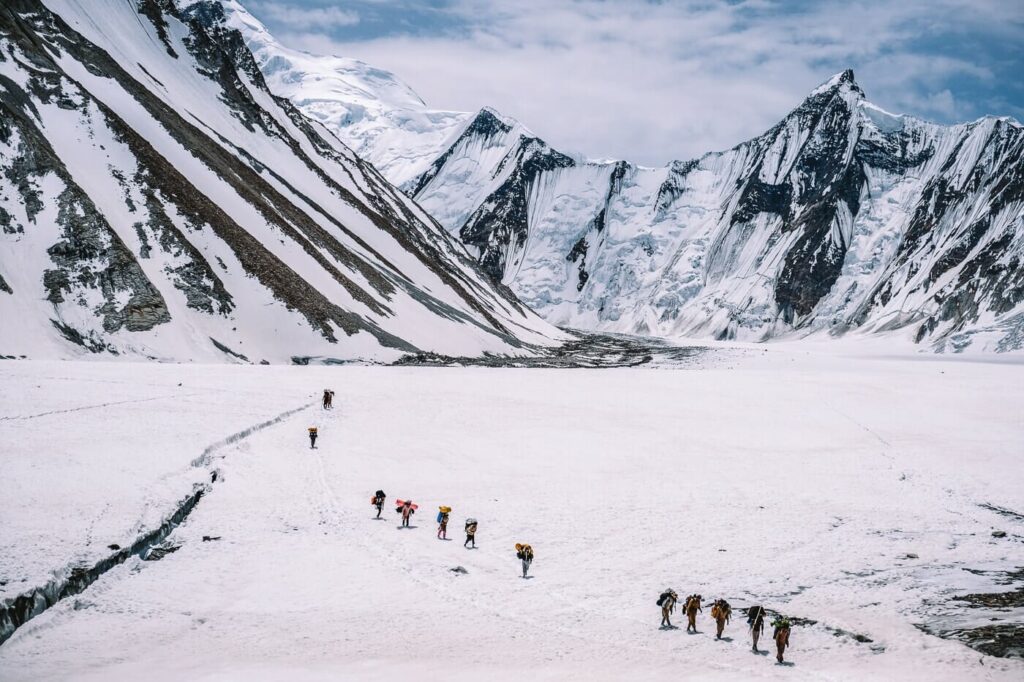
Many high-altitude treks are demanding walks. This is not one of them. The inclusion of the Gondogoro La elevates the journey beyond conventional trekking and into the realm of mountaineering. The pass is not a simple col but a semi-technical mountain pass standing well over 5,500 meters (altitudes for the pass vary by source, but range from 5,560m to 5,650m) that requires more than just strong legs and good lungs.To safely cross the pass, you must be proficient with and carry mandatory mountaineering equipment:
— Crampons
— Ice axe
— Harness
— Helmet
— Ascender, carabiner, and sling
The crossing itself is a serious undertaking. The day begins around midnight to minimize the risk of rockfall on the steep descent. Guided by headlamps, you ascend steep snow slopes, clipped into fixed ropes maintained by a specialist local rescue team from Hushe. Trekkers are often roped together as a single unit while navigating the glacier. This is a genuine mountaineering objective that demands respect and skill. This is why prior experience with these tools is not just recommended, it’s essential for the safety of you and the entire team.
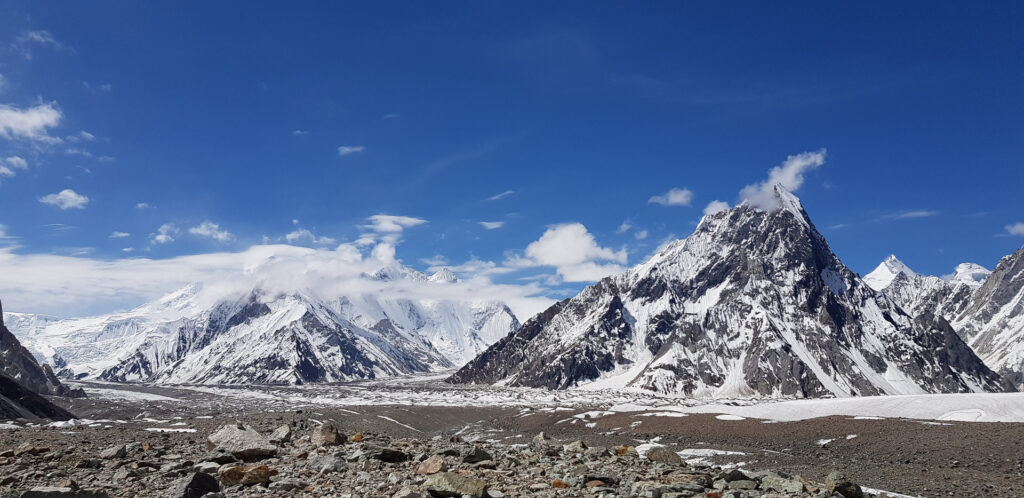
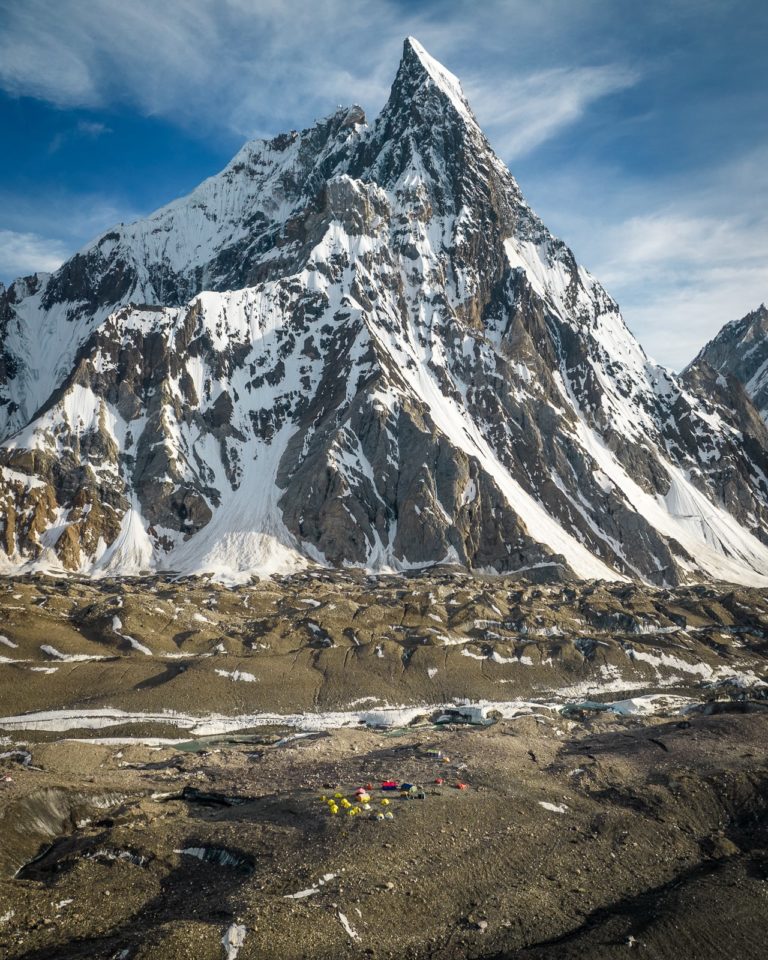
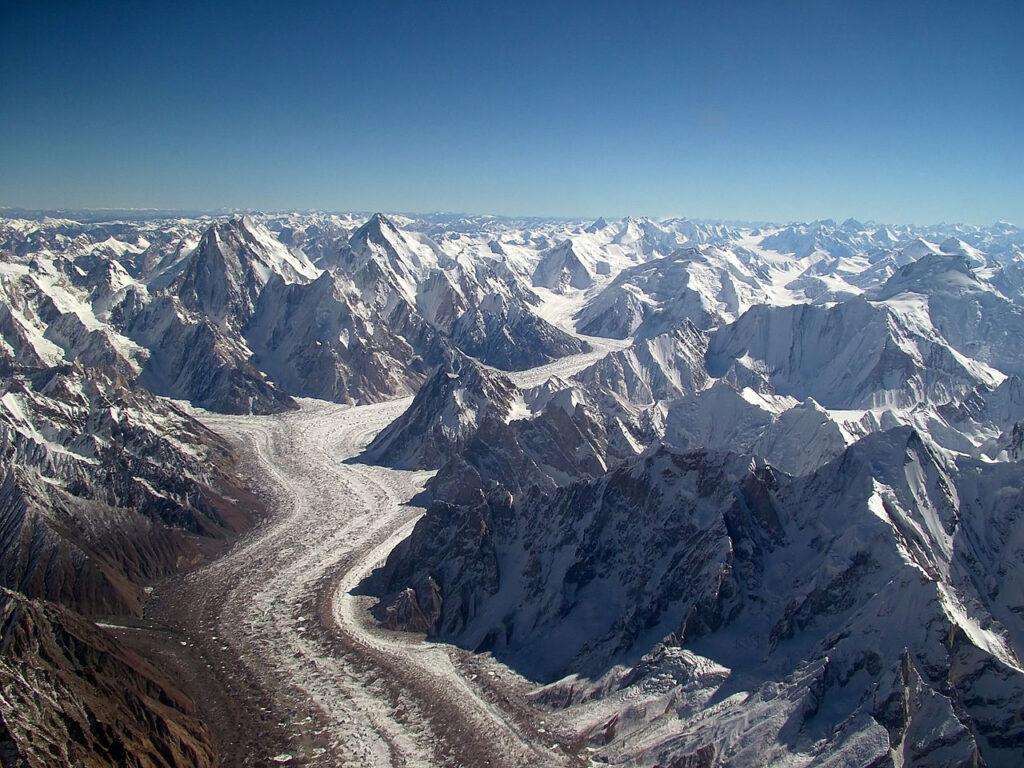
The Karakoram is a place of profound contrasts, and the trek immerses you in its staggering environmental extremes from the very first day. The temperature range alone is immense; the journey begins in intense heat that can reach 40°C (104°F) in the lower valleys, while overnight temperatures at higher camps can plummet to -10°C (14°F).The terrain is a study in duality. The trek launches you from the lush, irrigated oasis of Askole into an arid, rocky landscape along the mighty Braldu River. The trail eventually leads onto the Baltoro Glacier—not a clean sheet of ice, but a vast sea of ice covered by a thick layer of rock. Expect the trail to be relentlessly rugged, with continuous up and down climbs on the glacial moraine. The camps themselves reflect these extremes. Paiju, while scenic, is often dusty and dirty due to the proximity of pack animals. Yet at Khoburtse, you might find trekkers using water hoses to cool off from the afternoon’s intense heat—a small luxury in a devastatingly powerful landscape that is, in a word, physically devastating.
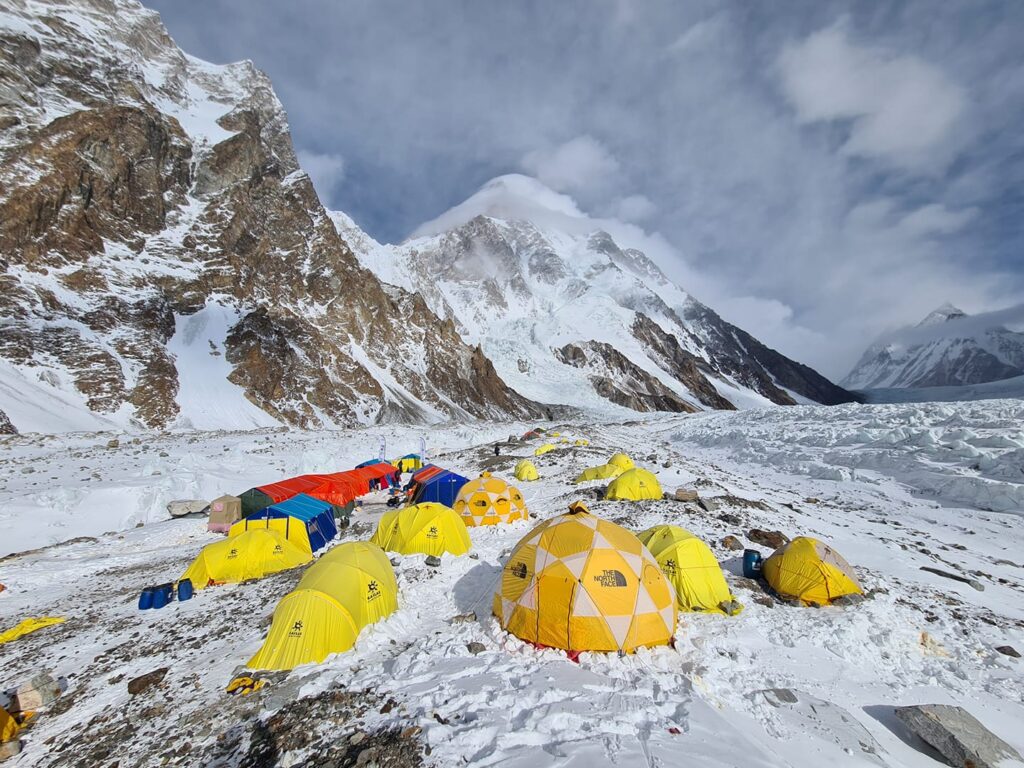
After the physically devastating days spent negotiating the endless rock and ice of the Baltoro, the arrival at Concordia is moving. This is the spectacular confluence of the Baltoro and Godwin-Austen glaciers, a vast amphitheater that is truly one of the most magnificent sights on Earth. What makes Concordia unique is its status as one of the few places on the planet from which you can see four 8,000-meter peaks from a single vantage point. Here, you stand surrounded by a panorama of giants:
— K2 (8,611m / 28,251ft)
— Broad Peak (8,051m / 26,414ft)
— Gasherbrum I (8,080m / 26,509ft)
— Gasherbrum II (8,035m / 26,362ft)
The view is so otherworldly that it inspired a fitting name from the renowned photographer and mountaineer Galen Rowell. Galen Rowell described Concordia in his book as the “Throne Room of the Mountain Gods”. It is the profound emotional and visual climax of the trek, a moment of pure awe where the hardship falls away, replaced by the sheer scale and power of the Karakoram revealed in its full, breathtaking glory.
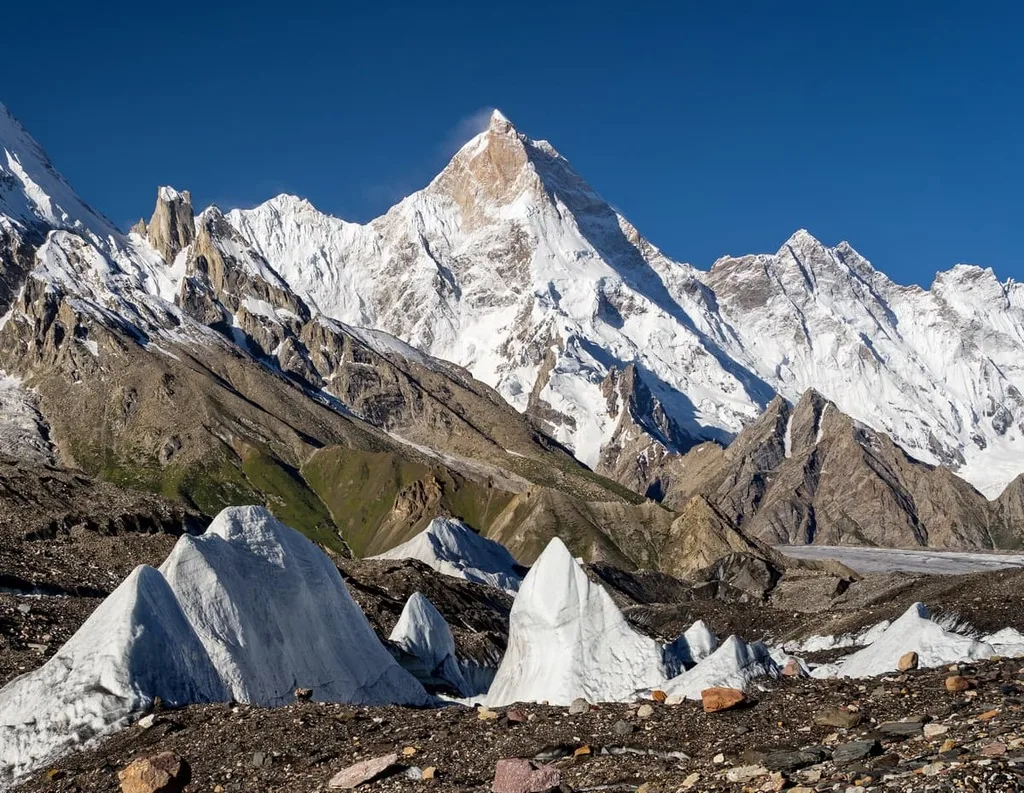
If you are an independent trekker used to charting your own course, understand this: the K2 Base Camp and Gondogoro La trek cannot be done solo. The entire route lies within a restricted military zone and requires a government-issued No Objection Certificate (NOC) and trekking permits, which can only be arranged by a licensed Pakistani tour company. This means every trekker is part of a large, moving expedition. You will be accompanied by a full support crew of licensed guides, cooks, assistants, and a team of porters who carry the expedition’s supplies, with a typical allowance of up to 20 kg of porter services per person. The logistical operation is impressive, creating a mobile base camp that moves with you each day. This includes:
— Personal two-person tents for sleeping.
— A large mess tent with tables and chairs for dining.
— A dedicated kitchen tent.
— A private toilet tent.
Furthermore, reputable operators provide critical safety equipment essential for such a remote environment. This typically includes a satellite phone for emergency communication, a portable altitude chamber (PAC or Gamow bag) for treating severe altitude sickness, and comprehensive medical kits. You are not just a trekker; you are a member of a fully supported, self-sufficient expedition team.
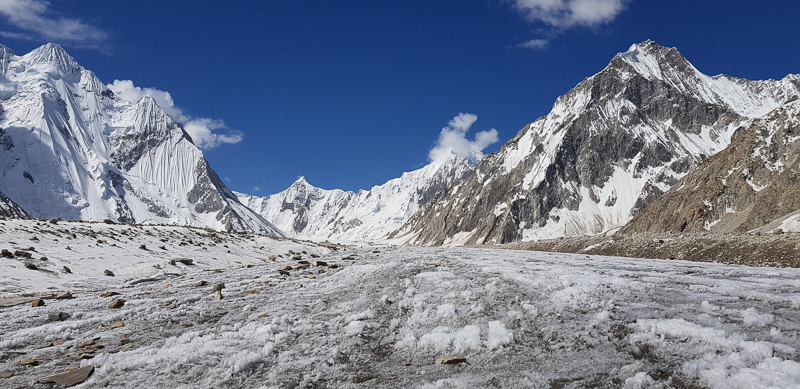
The unparalleled beauty of the Karakoram is matched by its inherent dangers. This is not a sanitized adventure; it is a journey into a wild and unpredictable environment where the risks are as real as the rewards. Every trekker must accept this reality, as soberly stated in operator risk assessments: “You should be aware trekking in a developing country involves a risk of personal injury or death. You must accept these risks and be responsible for your own actions and involvement. “While tour companies implement control measures, the hazards are significant. A clear-eyed understanding of these risks is essential. Some of the most significant include:
— Altitude Illness: Acute Mountain Sickness (AMS) is common, with the potential for life-threatening conditions like High Altitude Pulmonary Edema (HAPE) and High Altitude Cerebral Edema (HACE).
— Environmental Dangers: The risk of rockfall is constant, especially on the Gondogoro La. Landslides, snow avalanches, and lightning strikes are also real threats.
— Terrain Challenges: The trail is rugged and unstable. Falls and trips on ice or loose paths are a constant concern, as are dangerous river crossings where bridges may not exist.
— Travel Risks: The jeep journey from Skardu to the trailhead at Askole traverses a highly exposed and often precarious track, making road traffic accidents a significant risk.
This is a life-changing journey, but it demands a flexible attitude and a clear-eyed understanding of why choosing a reputable operator like Adventure Tours Pakistan with robust safety protocols—like the satellite phones and portable altitude chambers mentioned earlier—is the most critical decision you’ll make.
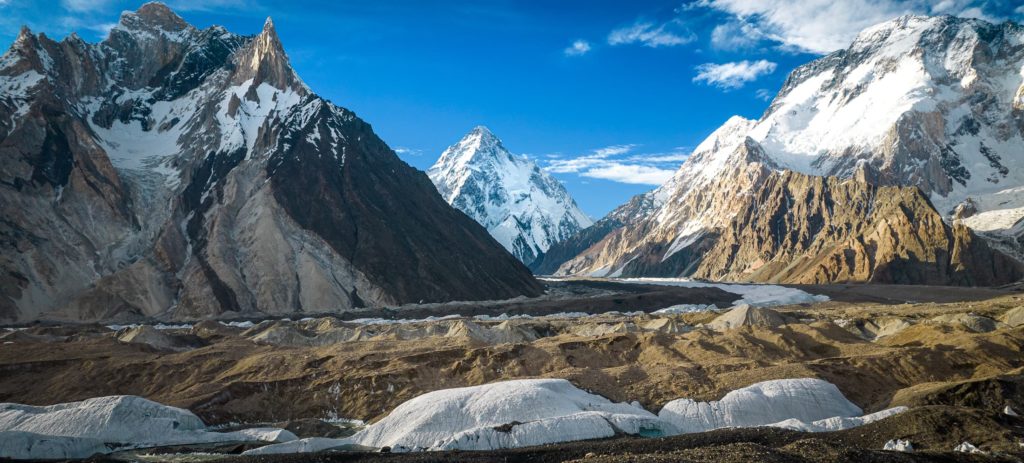
The trail to K2 is more than a path through mountains; it’s a journey through the heart of mountaineering history. The landscape is imbued with the powerful stories of those who have come before, and nowhere is this more palpable than at the Gilkey Memorial. Located near K2 Base Camp, this solemn place is a collection of metal plates and plaques bearing the names of those who have perished on the mountain. It’s a place where many young people in the prime of their lives were buried. Visiting the memorial is a “creepy,” “cold,” and “foreboding” experience that transforms the trek into a pilgrimage, connecting you to the triumphs and tragedies that define this great mountain. Yet, this somber note is beautifully contrasted by the vibrant and joyful human spirit of the expedition itself. The relationships formed with the local staff are a highlight of the journey. Porters, the backbone of every expedition, are known to celebrate arrivals at camp with spontaneous sessions of singing and dancing, using the expedition’s supply drums as their instruments. This is the duality of the Karakoram journey: you walk in the footsteps of ghosts by day, and celebrate the vibrancy of life around a campfire by night. The emotional toll is as significant as the physical one.
One of the biggest misconceptions about this trek is that it begins in the village of Askole. The reality is that the journey to the trailhead is a significant adventure in itself, fraught with its own set of challenges and uncertainties. It starts with the flight from Islamabad to Skardu. When the weather cooperates, it is one of the most spectacular commercial flights in the world, offering staggering views of Nanga Parbat. However, with a cancellation rate hovering around 15-20%, these flights are notoriously unreliable. The alternative is an epic, multi-day road trip along the legendary Karakoram Highway—a journey of breathtaking scale, but one that significantly impacts your schedule. Even after reaching Skardu, the final leg to the trailhead is no simple transfer. Expect a grueling 7-to-8-hour jeep ride that traverses a “highly exposed and often precarious track” with “no shortage of unsafe bridges and precipices.” This is the true starting line of the expedition, a raw and thrilling entry into the wild heart of the Karakoram.
The trek to K2 Base Camp and over the Gondogoro La is not merely a physical challenge; it is a comprehensive expedition that tests your body, sharpens your senses, and reshapes your perspective. The adventure begins the moment you leave Islamabad, trading the city for the organized chaos of the Karakoram Highway or the uncertainty of a mountain flight, long before your boots ever touch the trail.It is an immersion into a world of profound contrasts—of searing heat and biting cold, of the solemn silence at a climbers’ memorial and the joyful drumming of porters, and of the precarious jeep tracks and the profound stillness of the high glaciers. It demands mountaineering skills, a sober respect for risk, and a resilience that extends far beyond the physical. By partnering with Adventure Tours Pakistan, you gain access to 36 years of heritage and the most experienced guides in the region to provide the adventure experience of your lifetime. For those who answer the call of the high Karakoram, the ultimate reward is found not at a destination, but in the unforgettable journey through the throne room of the mountain gods.